Minimalist Interior Design Trends for 2024

Minimalism is not just a design style; it’s a lifestyle choice that emphasizes simplicity, functionality, and a clutter-free environment. As we step into 2024, the minimalist aesthetic continues to evolve, incorporating new elements that resonate with modern sensibilities. This blog post explores the latest trends in minimalist interior design, providing insights and practical tips to help you create a serene and stylish space.
The Essence of Minimalism
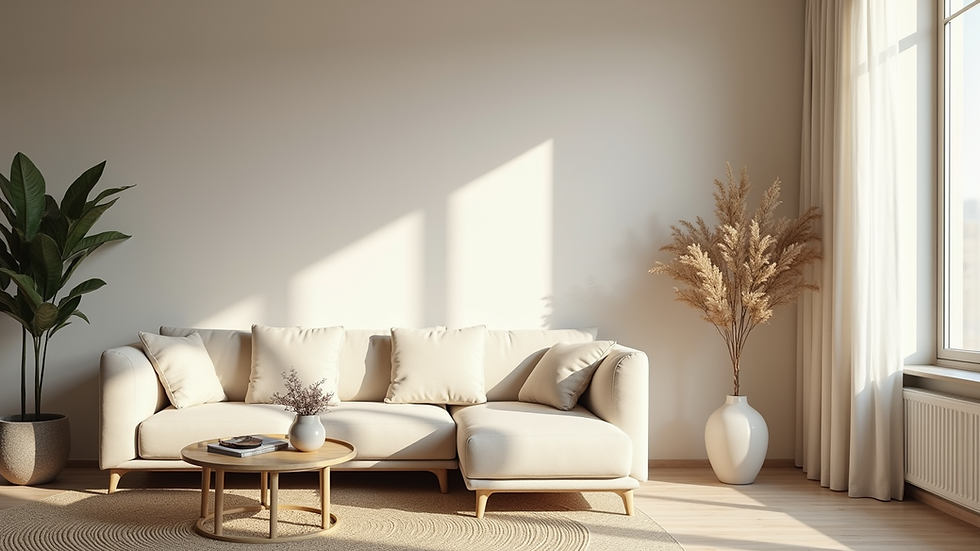
At its core, minimalism is about stripping away the unnecessary to focus on what truly matters. This design philosophy encourages the use of clean lines, open spaces, and a limited color palette. The goal is to create an environment that feels calm and uncluttered, allowing for a more mindful way of living.
Key Principles of Minimalist Design
Functionality: Every piece of furniture should serve a purpose. Avoid decorative items that do not contribute to the overall functionality of the space.
Simplicity: Choose simple shapes and forms. This helps to create a cohesive look that is easy on the eyes.
Neutral Color Palette: Soft whites, grays, and earth tones dominate minimalist spaces, creating a serene backdrop that enhances natural light.
Quality over Quantity: Invest in fewer, high-quality pieces rather than filling your space with numerous items. This not only elevates the aesthetic but also promotes sustainability.
Trending Minimalist Styles for 2024
As we look ahead, several minimalist styles are gaining traction. Here are some of the most notable trends to consider for your home:
1. Biophilic Design
Biophilic design integrates natural elements into the living space, promoting a connection with nature. This trend is characterized by:
Natural Materials: Use wood, stone, and organic textiles to create a warm and inviting atmosphere.
Indoor Plants: Incorporate greenery to enhance air quality and add a touch of life to your minimalist decor.
Natural Light: Maximize windows and skylights to flood your space with sunlight, creating a bright and airy feel.
2. Monochromatic Schemes
Monochromatic color schemes are becoming increasingly popular in minimalist design. This approach involves using varying shades of a single color to create depth and interest without overwhelming the senses.
Layering Textures: Combine different textures within the same color family to add dimension. For example, pair a soft wool rug with a smooth leather sofa.
Accent Pieces: Introduce subtle accent pieces in slightly different shades to break the monotony while maintaining a cohesive look.
3. Sustainable Minimalism
Sustainability is a key consideration in modern design. Sustainable minimalism focuses on eco-friendly materials and practices.
Recycled Materials: Opt for furniture made from reclaimed wood or recycled metals.
Energy Efficiency: Choose energy-efficient appliances and fixtures to reduce your carbon footprint.
Local Sourcing: Support local artisans and manufacturers to minimize transportation emissions.
4. Smart Home Integration
Technology is seamlessly blending with minimalist design. Smart home devices can enhance functionality without cluttering your space.
Hidden Technology: Incorporate smart devices that blend into the design, such as built-in speakers or smart lighting systems.
Automation: Use smart home technology to control lighting, temperature, and security, creating a more efficient and comfortable living environment.
Practical Tips for Implementing Minimalist Design
Transitioning to a minimalist interior can be a rewarding process. Here are some practical tips to help you get started:
Declutter Your Space
Begin by removing items that no longer serve a purpose or bring you joy. Consider the following steps:
One Room at a Time: Focus on one room to avoid feeling overwhelmed.
The Four-Box Method: Label four boxes as “Keep,” “Donate,” “Sell,” and “Trash.” Sort your belongings accordingly.
Digital Decluttering: Don’t forget to declutter your digital space. Organize files and delete unnecessary apps to create a more streamlined digital experience.
Choose Multi-Functional Furniture
Invest in furniture that serves multiple purposes. This not only saves space but also reduces clutter.
Storage Ottomans: Use ottomans that open up for storage to keep blankets or magazines out of sight.
Foldable Tables: Consider foldable dining tables that can be expanded when needed and tucked away when not in use.
Create Zones
Even in a minimalist space, it’s essential to define different areas for various activities.
Use Rugs: Area rugs can help delineate spaces, such as a reading nook or a dining area.
Furniture Arrangement: Arrange furniture to create distinct zones while maintaining an open flow.
Embrace Negative Space
Negative space is a crucial element in minimalist design. It refers to the empty areas around objects that help to create balance and harmony.
Avoid Overcrowding: Resist the urge to fill every corner of your space. Allow for breathing room around furniture and decor.
Highlight Key Pieces: Use negative space to draw attention to a statement piece, such as a unique sculpture or a beautiful piece of art.
Conclusion
As we embrace 2024, minimalist interior design continues to evolve, reflecting our desire for simplicity, sustainability, and functionality. By incorporating these trends and practical tips, you can create a serene and stylish space that resonates with your lifestyle. Remember, the essence of minimalism lies in focusing on what truly matters, allowing you to cultivate a home that is both beautiful and meaningful.
Take the first step towards a minimalist lifestyle today by decluttering your space and embracing the beauty of simplicity.

Comments