Creating Sense from Spaces: Design Strategies

Designing spaces that resonate with their users is both an art and a science. The way we arrange our environments can significantly impact our mood, productivity, and overall well-being. In this blog post, we will explore effective design strategies that help create meaningful and functional spaces. Whether you are redesigning your home, office, or any other environment, these principles will guide you in making thoughtful decisions that enhance the experience of those who inhabit the space.
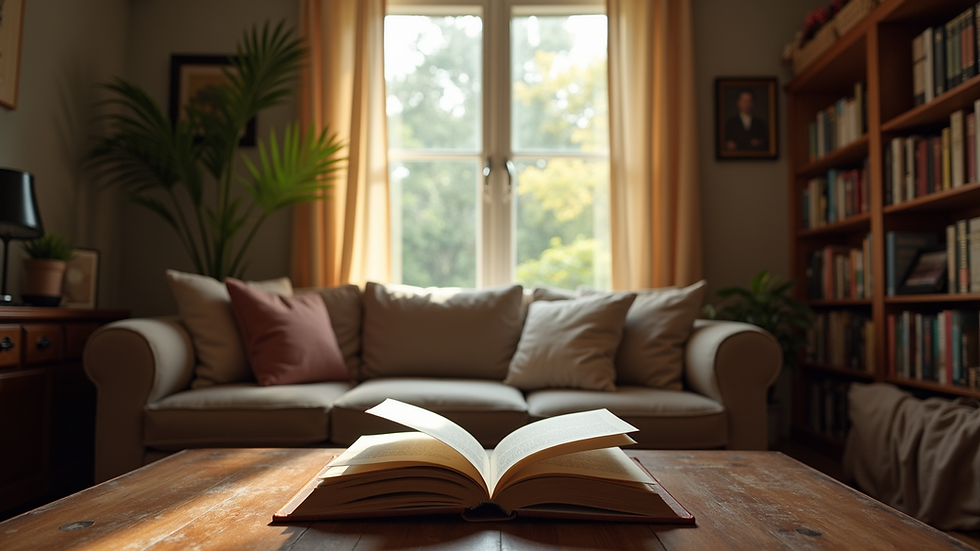
Understanding the Importance of Space Design
Before diving into specific strategies, it’s essential to understand why space design matters. The environment we inhabit influences our behavior, emotions, and interactions. A well-designed space can:
Enhance productivity: Thoughtful layouts can minimize distractions and promote focus.
Foster creativity: Unique designs can inspire innovative thinking.
Improve well-being: Natural elements and comfortable arrangements can reduce stress and enhance mood.
By recognizing the impact of design, we can approach our spaces with intention and purpose.
Key Design Strategies for Meaningful Spaces
1. Prioritize Functionality
Every space should serve a clear purpose. Before making any design choices, ask yourself:
What activities will take place in this space?
Who will use it, and what are their needs?
For example, in a home office, prioritize a functional layout that includes a desk, comfortable seating, and adequate storage. In contrast, a living room should encourage relaxation and social interaction.
2. Embrace Natural Light
Natural light has a profound effect on our mood and productivity. Here are some ways to incorporate it into your design:
Maximize windows: Use large windows or glass doors to bring in as much light as possible.
Use reflective surfaces: Mirrors and light-colored walls can help bounce light around the room.
Consider skylights: If feasible, skylights can provide additional light and a connection to the outdoors.
By prioritizing natural light, you create a warm and inviting atmosphere that enhances the overall experience of the space.
3. Create Zones
In larger spaces, creating distinct zones can help organize activities and improve flow. Consider the following:
Define areas: Use rugs, furniture placement, or partitions to delineate different zones.
Tailor each zone: Design each area according to its function. For instance, a reading nook should have comfortable seating and good lighting, while a workspace should be equipped with functional furniture.
Creating zones not only improves functionality but also adds visual interest to the space.
4. Incorporate Biophilic Design
Biophilic design focuses on connecting people with nature. This approach can enhance well-being and productivity. Here are some ways to incorporate biophilic elements:
Use natural materials: Incorporate wood, stone, and other organic materials into your design.
Add plants: Indoor plants can improve air quality and create a calming atmosphere.
Utilize natural colors: Earthy tones and greens can evoke a sense of tranquility.
By integrating nature into your design, you create a more harmonious and inviting environment.
5. Focus on Comfort
Comfort is key to creating a space that people want to spend time in. Consider the following elements:
Furniture selection: Choose ergonomic and comfortable furniture that supports the activities in the space.
Textiles: Soft fabrics and cushions can enhance comfort and warmth.
Temperature control: Ensure the space is well-ventilated and maintains a comfortable temperature.
A comfortable environment encourages people to relax and engage, making it essential for any design.
6. Personalize the Space
Personal touches can make a space feel unique and inviting. Here are some ways to add personality:
Artwork: Display pieces that resonate with you or reflect the purpose of the space.
Color schemes: Choose colors that evoke the desired mood. For example, calming blues and greens can create a serene atmosphere, while vibrant colors can energize a space.
Sentimental items: Incorporate items that hold personal significance, such as family photos or travel souvenirs.
Personalization not only enhances the aesthetic but also fosters a sense of belonging.
7. Consider Acoustics
Sound can significantly impact the experience of a space. To create a more pleasant auditory environment, consider:
Sound-absorbing materials: Use carpets, curtains, and upholstered furniture to reduce noise levels.
Strategic layout: Position quieter areas away from high-traffic zones to minimize distractions.
Background noise: Consider adding gentle background sounds, such as water features or soft music, to create a calming atmosphere.
By addressing acoustics, you can enhance the comfort and functionality of your space.
8. Plan for Flexibility
As needs change, so should your spaces. Designing with flexibility in mind allows for easy adaptation. Here are some strategies:
Modular furniture: Use pieces that can be rearranged or reconfigured as needed.
Multi-functional spaces: Design areas that can serve multiple purposes, such as a guest room that doubles as a home office.
Adjustable lighting: Incorporate dimmers or adjustable fixtures to create different moods and functions.
Flexibility ensures that your space remains relevant and functional over time.
Conclusion
Creating meaningful spaces requires thoughtful consideration of various design strategies. By prioritizing functionality, embracing natural light, creating zones, incorporating biophilic elements, focusing on comfort, personalizing the environment, addressing acoustics, and planning for flexibility, you can design spaces that resonate with their users.
As you embark on your design journey, remember that the ultimate goal is to create environments that enhance well-being and foster connection. Start small, experiment with different elements, and enjoy the process of transforming your spaces into places that truly feel like home.

Comments