Embracing 'Less is More' in Home Interiors

In a world filled with excess, the philosophy of "less is more" has emerged as a refreshing approach to home interiors. This design principle emphasizes simplicity, functionality, and the beauty of minimalism. By stripping away the unnecessary, we can create spaces that are not only aesthetically pleasing but also promote a sense of calm and clarity. In this blog post, we will explore the core tenets of minimalism in home design, practical tips for implementing this philosophy, and the benefits of embracing a less-is-more mindset.
Understanding Minimalism
Minimalism is more than just a design trend; it is a lifestyle choice that encourages individuals to focus on what truly matters. At its core, minimalism is about reducing clutter and distractions, allowing for a more intentional and meaningful living space. Here are some key principles of minimalism:
Simplicity: Emphasizing clean lines and uncluttered spaces.
Functionality: Prioritizing items that serve a purpose.
Quality over Quantity: Investing in fewer, high-quality pieces rather than many low-quality items.
Mindfulness: Being intentional about what you bring into your home.
By understanding these principles, you can begin to appreciate the beauty of minimalism and how it can transform your living space.
The Benefits of Minimalist Design
Adopting a minimalist approach to home interiors offers numerous benefits, including:
Reduced Stress: A clutter-free environment can lead to a calmer mind and reduced anxiety.
Increased Focus: Fewer distractions allow for better concentration and productivity.
Easier Maintenance: With fewer items to clean and organize, maintaining a minimalist home is simpler and less time-consuming.
Enhanced Aesthetics: Minimalist spaces often feel more open and inviting, showcasing the beauty of each individual piece.
Practical Tips for Embracing Minimalism
Start with a Declutter
The first step in embracing a less-is-more philosophy is to declutter your space. Here are some effective strategies:
Set Clear Goals: Determine which areas of your home need decluttering and set specific goals for each space.
Use the Four-Box Method: Label four boxes as "keep," "donate," "sell," and "trash." As you go through your belongings, place each item in the appropriate box.
One In, One Out Rule: For every new item you bring into your home, consider removing one existing item. This helps maintain balance and prevents clutter from accumulating.
Choose a Neutral Color Palette
A neutral color palette can enhance the minimalist aesthetic of your home. Consider the following:
Soft Whites and Grays: These colors create a serene backdrop and make spaces feel larger.
Earthy Tones: Incorporating natural colors can add warmth and depth without overwhelming the senses.
Accent Colors: If you want to introduce color, opt for one or two accent colors that complement your neutral base.
Invest in Quality Furniture
When it comes to furniture, prioritize quality over quantity. Here are some tips:
Choose Timeless Designs: Look for pieces that have a classic appeal and will stand the test of time.
Multi-Functional Furniture: Consider furniture that serves multiple purposes, such as a coffee table with storage or a sofa bed for guests.
Minimalist Aesthetic: Select furniture with clean lines and simple shapes to maintain a cohesive look.
Create Open Spaces
Open spaces are a hallmark of minimalist design. To achieve this:
Remove Unnecessary Walls: If possible, consider knocking down non-load-bearing walls to create a more open floor plan.
Use Area Rugs: Define spaces within an open layout using area rugs to create a sense of separation without adding physical barriers.
Limit Decorative Items: Choose a few key decorative pieces that resonate with you, and avoid overcrowding surfaces.

Incorporate Natural Elements
Bringing nature indoors can enhance the minimalist aesthetic while promoting a sense of tranquility. Consider these ideas:
Houseplants: Incorporate a few well-placed houseplants to add life and color to your space.
Natural Materials: Use materials like wood, stone, and linen to create a warm and inviting atmosphere.
Natural Light: Maximize natural light by using sheer curtains or leaving windows unobstructed.
Minimalism in Different Rooms
Living Room
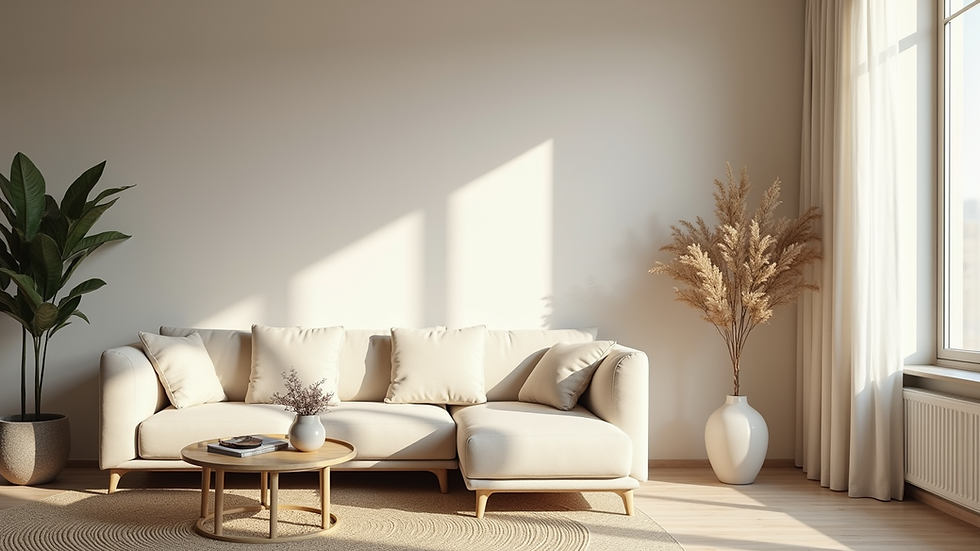
In the living room, focus on creating a welcoming yet uncluttered space. Here are some tips:
Limit Furniture: Choose a few essential pieces, such as a comfortable sofa and a coffee table, and avoid overcrowding the room.
Use Built-In Storage: Incorporate built-in shelves or cabinets to keep items organized and out of sight.
Select a Statement Piece: Choose one standout item, such as a piece of art or a unique coffee table, to serve as a focal point.
Kitchen
A minimalist kitchen promotes efficiency and ease of use. Consider the following:
Streamlined Appliances: Invest in high-quality, multi-functional appliances that blend seamlessly into your design.
Open Shelving: Use open shelves to display a few carefully selected dishes or glassware, creating an airy feel.
Declutter Countertops: Keep countertops clear by storing appliances and utensils in cabinets or drawers.
Bedroom
Your bedroom should be a sanctuary for rest and relaxation. Here are some minimalist tips:
Choose Simple Bedding: Opt for solid colors or subtle patterns to create a calming atmosphere.
Limit Decorative Items: Keep surfaces clear and only display items that bring you joy or serve a purpose.
Create a Cozy Nook: If space allows, create a small reading nook with a comfortable chair and a good light source.
Overcoming Challenges in Minimalist Design
Transitioning to a minimalist lifestyle can be challenging. Here are some common obstacles and how to overcome them:
Emotional Attachment: It can be difficult to part with items that hold sentimental value. Consider taking photos of these items to preserve the memory while letting go of the physical object.
Fear of Regret: Many people worry they will miss items they discard. To combat this, try a trial period where you box up items you’re unsure about. If you don’t need them after a few months, it’s likely safe to let them go.
Pressure to Conform: Remember that minimalism is a personal journey. Focus on what works for you and your lifestyle, rather than adhering to strict rules.
Conclusion
Embracing the "less is more" philosophy in home interiors can lead to a more peaceful, functional, and beautiful living space. By decluttering, choosing quality over quantity, and incorporating natural elements, you can create a home that reflects your values and enhances your well-being. Start small, and remember that minimalism is a journey, not a destination. As you simplify your space, you may find that you also simplify your mind, leading to a more fulfilling life. Take the first step today and discover the transformative power of minimalism in your home.
Comments